
pdf grimoire
- Published
- in PDF
What is a PDF Grimoire?
A PDF Grimoire represents a modern adaptation of ancient magical texts, offering digital witches and practitioners a convenient, searchable, and easily duplicated spellbook.
These digital editions, often exceeding 500 pages, unlock occult secrets and the history of magic, providing instant access to a wealth of knowledge.
Essentially, it’s a digital loophole for modern witchcraft, allowing for personalized collections of spells, rituals, and esoteric information in a portable format.
Definition and Core Concepts
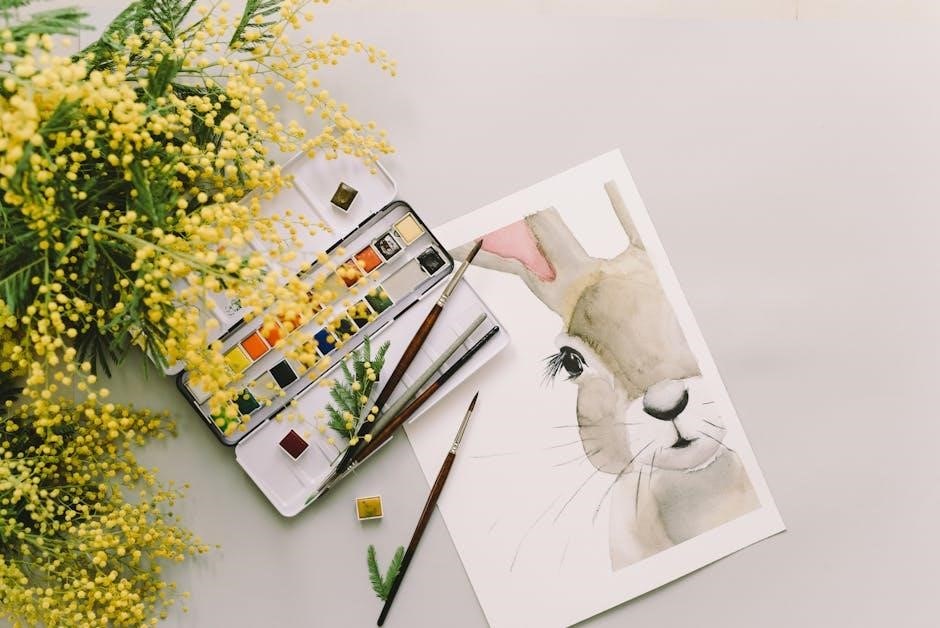
A PDF grimoire, at its core, is a digitally formatted compendium of magical knowledge, mirroring the historical handwritten books used by occultists. It’s a personalized repository, encompassing spells, rituals, herbal lore, astrological charts, and symbolic systems.
Unlike traditional grimoires, these digital versions offer unique advantages: effortless searching, easy duplication for backup or sharing (ethically, of course!), and the ability to incorporate multimedia elements. The concept revolves around creating a dynamic, evolving record of one’s magical practice.
Key concepts include the intentional curation of knowledge, the establishment of personal correspondences, and the ongoing refinement of magical techniques. It’s a living document, reflecting the practitioner’s journey and understanding of the occult arts, a modern witchcraft loophole.
The Evolution of the Grimoire
The grimoire’s evolution reflects humanity’s enduring fascination with the occult and our evolving relationship with knowledge. From ancient Egyptian papyri like the Book of the Dead to medieval handwritten manuscripts, the desire to record and transmit magical wisdom has always been present.
The advent of the printing press democratized access, but these texts remained relatively static. PDF grimoires represent the next leap – a dynamic, customizable format. This digital transformation allows practitioners to build upon existing traditions, incorporating personal experiences and insights.
This evolution isn’t merely technological; it’s a shift towards a more fluid, interconnected understanding of magic, fueled by online communities and readily available information, a modern witchcraft loophole.

Historical Roots of Grimoires
Grimoires trace back to ancient texts like the Egyptian Book of the Dead, evolving through medieval spellbooks, and blossoming during the Renaissance’s occult revival.
These historical precursors laid the foundation for today’s digital grimoires, continuing a long tradition of magical knowledge preservation.
Ancient Precursors: Egyptian Book of the Dead
The Egyptian Book of the Dead, dating back to around 30530 BCE, serves as a crucial ancient precursor to the modern PDF Grimoire. This collection of spells, hymns, and illustrations intended to assist the deceased’s journey through the underworld embodies the core function of a grimoire: providing practical magical guidance.
Like contemporary digital grimoires, the Book of the Dead wasn’t a standardized text; variations existed tailored to individual needs and beliefs. It demonstrates the ancient desire to codify and transmit esoteric knowledge. The elaborate symbolism and ritual instructions within foreshadow the sigils and spells found in later grimoires.
While differing in format – papyrus scrolls versus PDF files – both represent attempts to navigate and influence spiritual realms. The Book of the Dead’s emphasis on transformation and overcoming obstacles resonates with the aims of many modern magical practices documented in digital formats.
Medieval Grimoires: Key Texts and Authors
Medieval grimoires, the direct ancestors of today’s PDF versions, began to emerge as distinct texts during the High Middle Ages. These handwritten volumes, often shrouded in secrecy, contained spells, invocations, and instructions for magical operations. Key texts include the Picatrix, a complex astrological and magical treatise, and various iterations of the Key of Solomon, a foundational work for ceremonial magic.
Authorship was often obscured or attributed to legendary figures like Solomon, lending authority to the contents. These texts, now frequently available as PDF downloads, detailed methods for conjuring spirits, creating talismans, and achieving specific magical goals.
The transition to digital formats allows modern practitioners to access and study these historically significant works, preserving and disseminating knowledge previously confined to limited circles. The study of these texts informs the creation of contemporary grimoires.
The Renaissance and the Rise of Occult Literature
The Renaissance witnessed a surge in interest in classical texts, including those dealing with magic and the occult, directly influencing the development of grimoires. This period saw the printing press facilitate wider dissemination of previously rare manuscripts, making magical knowledge more accessible. Key texts like the Heptameron and the Arbatel of Magic gained prominence, shaping the landscape of Renaissance occultism.
The rise of humanism encouraged individual exploration of esoteric traditions, fostering a climate where grimoires flourished. These printed books, now often digitized as PDFs, offered detailed instructions for ritual magic and spirit communication.
This era laid the groundwork for the modern grimoire, influencing both content and format, and continues to inspire contemporary practitioners utilizing digital grimoires today.

The Transition to Digital Formats
PDFs offer modern practitioners advantages like portability, searchability, and easy duplication, transforming how magical knowledge is accessed and preserved in digital grimoires.
This digital transformation enhances efficiency, allowing faster access to occult information and facilitating the creation of personalized magical libraries.
Why PDF? Advantages for Modern Practitioners
PDFs have become the preferred format for digital grimoires due to a multitude of practical advantages catering to the needs of contemporary practitioners. Their inherent portability allows witches and occultists to carry extensive magical libraries on tablets, laptops, or even smartphones, accessing knowledge anywhere, anytime.
Furthermore, the searchable nature of PDFs eliminates the tedious process of flipping through pages, enabling quick retrieval of specific spells, correspondences, or rituals. This is particularly valuable for complex systems like astrology or herbalism.
Crucially, PDFs facilitate easy duplication and backup, safeguarding valuable magical knowledge against loss or damage. The format also supports multimedia integration, allowing for the inclusion of images, diagrams, and even audio or video components, enriching the learning experience. Finally, PDFs maintain formatting consistency across different devices, ensuring a reliable and visually appealing presentation of the grimoire’s contents.
Digital Transformation and the Occult
Digital transformation, traditionally focused on business efficiency, surprisingly intersects with the occult through the rise of the PDF grimoire. This shift mirrors a broader trend of evaluating and adapting processes – in this case, the preservation and practice of magical knowledge – using new technologies.
The occult’s embrace of digital formats challenges the notion that magic and technology are inherently opposed. Instead, it demonstrates a willingness to leverage tools for enhanced accessibility, preservation, and dissemination of esoteric teachings.
This transformation isn’t merely about converting ancient texts; it’s about creating new magical possibilities through techgnosis and cybernetic witchcraft, fostering a dynamic interplay between the ancient and the modern. The digital realm becomes another space for ritual, experimentation, and the exploration of consciousness.
Accessibility and Preservation of Knowledge
PDF grimoires dramatically increase the accessibility of occult knowledge, breaking down barriers previously imposed by rare, expensive, or geographically restricted physical texts. Online archives and digital libraries, like Grimoire Scholar, offer free access to historical grimoires, democratizing esoteric learning.
Furthermore, digitization serves as a crucial method of preservation. Fragile, centuries-old manuscripts are safeguarded from deterioration through digital copies, ensuring their survival for future generations of practitioners and scholars.
This digital format also facilitates easy duplication and sharing, fostering communities and forums where knowledge can be discussed, debated, and expanded upon, contributing to a living tradition.

Content Found in a Typical PDF Grimoire
PDF Grimoires commonly contain spells, rituals, herbalism details, astrological charts, and symbolic sigils – a comprehensive collection for modern magical practice and study.
Spells and Rituals
Spells and rituals form the core of many PDF Grimoires, encompassing a vast range of practices from traditional witchcraft to ceremonial magic. These digital compendiums often feature detailed instructions for invoking spirits, performing divination, and achieving specific magical goals.
You’ll find incantations, correspondences, and step-by-step guides for various workings, categorized by intent – love, protection, prosperity, or banishing, for example. The accessibility of PDF format allows for easy customization; practitioners can adapt spells to their personal preferences and traditions.
Furthermore, some Grimoires delve into complex ritual systems, outlining the necessary tools, timing, and planetary alignments for optimal results. The digital nature enables hyperlinking to related sections, creating a dynamic and interconnected learning experience.
Herbalism and Correspondences
PDF Grimoires frequently dedicate significant sections to herbalism, detailing the magical properties of plants and their applications in spellwork and potion-making. This includes information on harvesting, drying, and storing herbs, alongside their planetary and elemental correspondences.
Beyond herbs, these digital texts explore broader systems of correspondences – linking colors, gemstones, animals, and deities to specific magical intentions. Understanding these connections is crucial for crafting effective rituals and imbuing spells with focused energy.
The searchable nature of PDFs allows practitioners to quickly locate herbs associated with a particular planet or purpose, streamlining the spellcasting process. Detailed charts and tables are common, offering a comprehensive overview of magical associations.
Astrological Information
PDF Grimoires often incorporate extensive astrological data, recognizing the profound influence of celestial bodies on magical workings. This includes planetary hours, electional astrology charts for timing rituals, and detailed descriptions of planetary dignities and debilities.
Practitioners can find information on planetary correspondences – linking each planet to specific colors, metals, herbs, and deities. Understanding these connections allows for the creation of spells aligned with particular planetary energies.
Many digital grimoires provide guidance on interpreting natal charts for magical purposes, identifying personal strengths and weaknesses, and harnessing favorable astrological transits. The PDF format facilitates easy cross-referencing and note-taking.
Sigils and Symbolism
PDF Grimoires dedicate significant space to sigils – magically charged symbols used to focus intention and invoke specific energies. These often include planetary sigils, angelic seals, and demonic sigils, meticulously detailed for accurate reproduction.
Beyond sigils, these digital texts explore broader symbolism, dissecting the meanings behind occult symbols, alchemical emblems, and Kabbalistic diagrams. Understanding the underlying symbolism is crucial for effective spellcasting and ritual work.
The digital format allows for high-resolution images of complex symbols, enabling practitioners to study intricate details. Many grimoires also offer guidance on creating personalized sigils, tailoring magical workings to individual needs and desires.

Creating Your Own PDF Grimoire
Crafting a PDF Grimoire involves utilizing software tools to compile ethically sourced information, organizing spells and rituals with a clear index for easy navigation.
Software and Tools for Creation
Numerous software options facilitate the creation of a personalized PDF Grimoire. Standard word processors like Microsoft Word or Google Docs can be utilized, offering basic formatting capabilities and easy PDF export. However, for more visually appealing and complex layouts, consider desktop publishing software such as Adobe InDesign or Scribus – a free, open-source alternative.
Image editing software, like GIMP or Photoshop, is crucial for incorporating sigils, symbols, and illustrations. PDF editing tools, such as Adobe Acrobat Pro or PDFelement, allow for direct manipulation of the PDF file, including adding bookmarks, hyperlinks, and annotations.
For advanced users, LaTeX provides precise control over typography and document structure. Ultimately, the best tool depends on your technical skill and desired aesthetic, but accessibility and ease of use are key considerations.
Organization and Indexing
Effective organization is paramount for a functional PDF Grimoire. Implement a clear hierarchical structure, categorizing spells and rituals by type (e.g., protection, love, prosperity), planetary correspondence, or magical system. Utilize headings, subheadings, and consistent formatting to enhance readability.
Robust indexing is equally vital. Create a detailed table of contents with clickable links to specific sections. Incorporate keywords and tags to facilitate searching within the document. Consider using bookmarking features within your PDF reader to quickly access frequently used spells or information.
Cross-referencing related entries strengthens the Grimoire’s interconnectedness. A well-organized and indexed Grimoire transforms from a mere collection of spells into a dynamic and insightful magical resource.
Sourcing Information Ethically
Respectful sourcing is crucial when compiling a PDF Grimoire. Avoid plagiarism and always credit original authors and sources. When adapting spells or rituals, acknowledge the lineage and cultural context. Prioritize obtaining information from reputable sources like published grimoires and scholarly works.
Consider copyright restrictions when incorporating material. Public domain texts are freely usable, but modern works may require permission. Be mindful of closed practices and avoid appropriating traditions without proper initiation or understanding.
Ethical practice extends to verifying information and avoiding the spread of misinformation. A responsibly sourced Grimoire reflects integrity and respect for the magical traditions it contains.

The Grand Grimoire and Related Works
The Grand Grimoire, a historically significant text, is often studied within digital grimoires, alongside related works, influencing modern occult practices and spellcraft.
Historical Context of The Grand Grimoire
The Grand Grimoire’s origins are shrouded in mystery, with its earliest known version appearing in the 18th century, though claims suggest earlier roots. It’s considered a derivative of earlier grimoires like the Key of Solomon, inheriting and adapting its ceremonial magic.
This text gained notoriety for its focus on Goetic magic – invoking spirits – and its detailed instructions for creating pacts and obtaining favors from demonic entities. Its historical significance lies in its representation of a specific branch of occultism prevalent during its time.
The grimoire’s content reflects the anxieties and beliefs of the era, offering a framework for individuals seeking power or knowledge through supernatural means. Today, studying The Grand Grimoire within PDF grimoires allows modern practitioners to analyze its historical context and influence.
Contents and Analysis
The Grand Grimoire, frequently found within PDF grimoires, is structured around summoning spirits and achieving desired outcomes through ritualistic practices. Its core consists of detailed instructions for creating magical tools, preparing the practitioner, and performing invocations.
The text outlines specific rituals for contacting various spirits, often requiring precise timing, incantations, and offerings. Analysis reveals a complex system of correspondences, linking spirits to specific days, hours, and planetary influences.
However, scholars note the grimoire’s potential for misinterpretation and the inherent risks associated with attempting its rituals. Modern analysis within digital grimoires emphasizes the importance of historical context and responsible practice, cautioning against literal interpretation.
Influence on Modern Grimoires
The Grand Grimoire’s influence permeates contemporary occult literature, particularly within the realm of PDF grimoires. Its core concepts – spirit evocation, sigil magic, and ritualistic structure – are frequently adapted and reinterpreted by modern practitioners.
Many digital grimoires incorporate elements from The Grand Grimoire, blending them with other traditions like Chaos Magic and Techgnosis. This results in hybridized systems that leverage both ancient techniques and modern technology.
Furthermore, the grimoire’s emphasis on personal experimentation and adaptation resonates with the ethos of Chaos Magic, fostering a culture of individualized spellcraft within digital occult communities. The accessibility of PDF formats amplifies this influence, allowing for widespread dissemination and modification.

Digital Grimoires and Chaos Magic
PDF Grimoires seamlessly integrate with Chaos Magic, enabling personalized spell creation, rapid adaptation, and AI-assisted experimentation through tools like GPT-3.
This synergy fuels Techgnosis and cybernetic witchcraft, empowering digital queers and activists within occult spaces.
GPT-3 and AI-Assisted Grimoire Creation
The advent of large language models, such as GPT-3, marks a pivotal shift in grimoire creation, offering practitioners unprecedented tools for generating spells, rituals, and symbolic interpretations.
AI can assist in crafting unique correspondences, tailoring magical workings to individual needs, and even translating ancient texts into accessible formats for digital grimoires.
However, ethical considerations are paramount; AI-generated content should be carefully vetted and personalized, avoiding blind reliance on algorithmic outputs.
This technology allows for the creation of a “Chaos Magick Butoh Grimoire”, blending diverse influences and fostering innovative magical practices within the digital realm.

Ultimately, AI serves as a powerful collaborator, augmenting—not replacing—the intuition and experience of the modern magical practitioner.
Techgnosis and Cybernetic Witchcraft
Techgnosis explores the intersection of technology, spirituality, and altered states of consciousness, profoundly influencing the development of digital grimoires and cybernetic witchcraft practices.
This field posits that technology can be utilized as a tool for accessing gnosis – direct, experiential knowledge of the divine – and integrating it into magical workings within a PDF grimoire.
Cybernetic witchcraft extends this concept, viewing the practitioner as a cyborg, utilizing technology to enhance magical abilities and explore the boundaries of consciousness.
Digital grimoires become interfaces to these expanded realities, containing sigils, code, and rituals designed to interact with the digital landscape.
This fusion of magic and technology challenges traditional occult paradigms, forging new paths for spiritual exploration in the 21st century.
Digital Queers and LGBTQ+ Cyber Activism in Occult Spaces
Digital spaces have become vital sanctuaries for LGBTQ+ occultists, fostering communities and reclaiming narratives often excluded from mainstream magical traditions, frequently documented within PDF grimoires.
This online activism manifests as a deliberate subversion of heteronormative and cisnormative power structures within occultism, utilizing digital tools for visibility and empowerment.
PDF grimoires serve as platforms for sharing queer-affirming spells, rituals, and magical systems, challenging traditional gender roles and celebrating diverse identities.
The history of LGBTQ+ cyber activism demonstrates a long-standing tradition of utilizing technology for resistance and self-expression, extending into occult practices.
These digital communities offer safe spaces for exploration, learning, and the creation of inclusive magical practices, documented and shared through accessible formats.
Resources for PDF Grimoire Research
Grimoire Scholar, Joseph Peterson’s website, provides free access to historic grimoires. Digital libraries and online archives also offer valuable resources for study.
Active online communities and forums facilitate discussion and knowledge-sharing amongst practitioners exploring PDF grimoires and occult texts.
Grimoire Scholar: Joseph Peterson’s Website
Joseph Peterson’s Grimoire Scholar website (https://www.grimoirescholar.com/) stands as an invaluable, freely accessible resource for anyone researching PDF grimoires and historical occult texts.
It’s a meticulously curated digital library, offering scanned images and transcriptions of numerous rare and significant grimoires, many previously unavailable to the public. Peterson’s dedication to preserving and sharing these texts is remarkable.
Researchers can explore a diverse collection, including medieval and Renaissance grimoires, alongside scholarly articles and analyses. The site facilitates in-depth study of magical traditions and the evolution of occult literature. It’s a cornerstone for both novice and experienced practitioners seeking authentic source material for their digital grimoires.
The website’s user-friendly interface allows for easy navigation and exploration of this extensive collection, making it an essential starting point for any serious grimoire research.
Online Archives and Digital Libraries
Beyond Grimoire Scholar, numerous online archives and digital libraries provide access to digitized historical texts relevant to PDF grimoire creation and study. Internet Archive, for example, hosts a vast collection of scanned books, including many older occult publications.
HathiTrust Digital Library offers another substantial resource, with a focus on academic and research materials. These platforms often contain digitized versions of grimoires, magical treatises, and related works.
Researchers should also explore Project Gutenberg, which features free ebooks, and specialized collections maintained by universities and libraries. Careful searching and cross-referencing are key to uncovering hidden gems within these digital repositories, enriching the content of your personal PDF grimoire.
Remember to verify the source and quality of digitized texts before incorporating them into your practice.
Communities and Forums
Engaging with online communities and forums dedicated to occultism and witchcraft is invaluable for PDF grimoire research and development. These spaces foster knowledge-sharing, discussion, and collaborative learning among practitioners.
Platforms like Reddit’s r/witchcraft and dedicated occult forums offer opportunities to ask questions, exchange resources, and receive feedback on your grimoire’s content.
Discord servers focused on specific magical traditions or interests can provide more intimate and focused discussions. Participating in these communities allows you to learn from experienced practitioners, discover new sources, and refine your understanding of magical concepts, ultimately enhancing your PDF grimoire.
Always practice discernment and critical thinking when evaluating information shared within these groups.