
freemason bible pdf
- Published
- in PDF
Freemason Bible PDF: A Comprehensive Guide
Exploring digitized versions of sacred texts used within Freemasonry reveals a fascinating intersection of faith and fraternal tradition.
These PDF documents offer access to volumes central to Masonic rituals and study‚
providing insights into symbolism and historical context for researchers and members alike.
Digital accessibility expands the reach of these important texts‚ fostering deeper understanding and facilitating scholarly exploration of Masonic heritage.
What is a Freemason Bible?
A Freemason Bible isn’t a unique translation‚ but rather a standard Bible – often the King James Version – specifically designated for use within a Masonic Lodge.
It’s formally known as the Volume of the Sacred Law‚ and its significance lies not in its textual differences‚ but in its symbolic role within Masonic ritual.
The PDF versions of these Bibles are increasingly common‚ offering accessibility for study and reference. These digital copies often retain the physical characteristics of the original‚ including any ritualistic markings or annotations added by previous owners or Lodge members.
However‚ it’s crucial to understand that the Bible’s presence isn’t about promoting a specific religious doctrine.
Freemasonry welcomes men of all faiths‚ and the Volume of the Sacred Law represents each member’s individual faith.
The Bible is used to support moral lessons and allegorical teachings‚ serving as a focal point for oaths and affirmations during Lodge ceremonies.
The availability of Freemason Bible PDFs allows for convenient access to this central element of Masonic practice‚ facilitating both individual study and collective understanding within the fraternity.
Historical Context of Masonic Bibles
The use of a sacred text within Freemasonry dates back to the earliest days of the Craft‚ evolving from operative stonemasons’ practice of swearing oaths upon the Bible.
Historically‚ Lodges maintained a physical Volume of the Sacred Law‚ often a well-worn family Bible donated by a member.
As Freemasonry spread‚ the standardization of the King James Version became prevalent‚ though other translations are permitted based on a member’s faith.
The advent of PDF technology has revolutionized access to these historical texts; Digitized versions of antique Masonic Bibles‚ complete with handwritten notes and ritualistic markings‚ offer invaluable insights into the fraternity’s past.
These PDFs allow researchers to study the evolution of Masonic symbolism and ritual practice over centuries.
Early Masonic records‚ like those from Gonzales Lodge No; 30 (chartered 1847)‚ demonstrate the long-standing tradition of Bible usage.
The increasing availability of these digitized historical resources‚ including Freemason Bible PDFs‚ fosters a deeper appreciation for the Craft’s rich heritage and enduring principles.
They provide a tangible link to the past‚ connecting modern Freemasons with their predecessors.
The Use of the Bible in Freemasonry
The Bible‚ or Volume of the Sacred Law‚ is central to Masonic ritual‚ serving as a symbolic representation of divine guidance and moral truth.
It’s not treated as a theological textbook‚ but rather as a symbol of faith‚ regardless of a Mason’s personal religious beliefs.
Oaths are traditionally taken upon it‚ signifying a commitment to integrity and ethical conduct.
Freemason Bible PDFs facilitate study of specific passages frequently referenced in Masonic ceremonies. These digital resources allow members to easily access and analyze relevant scriptures.
The Marshal‚ or Conductor‚ often utilizes biblical references during Lodge proceedings‚ reinforcing the moral lessons embedded within the rituals.
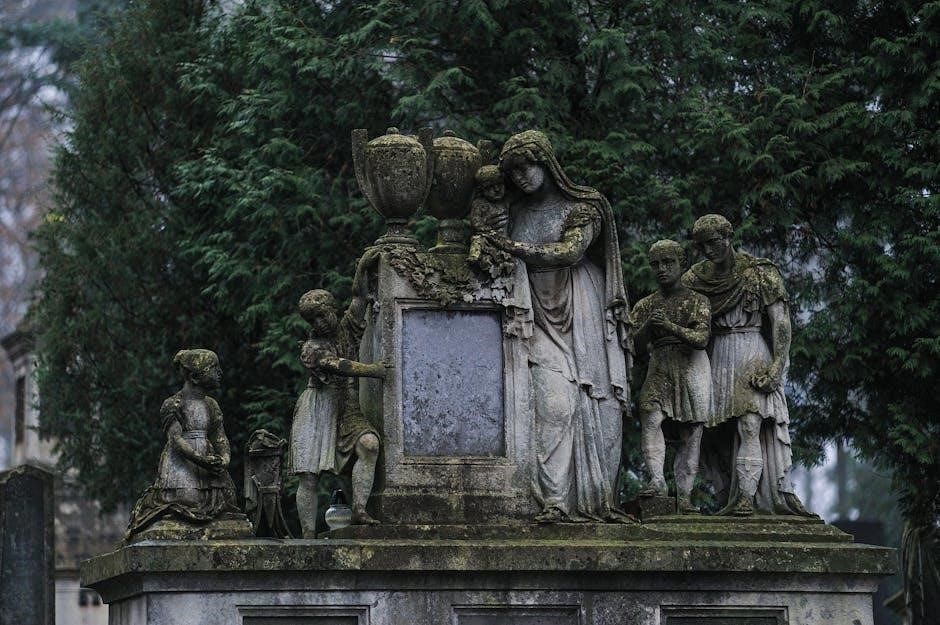
Online forums‚ like My Freemasonry‚ demonstrate the ongoing discussion surrounding biblical interpretation within the fraternity.
Members share insights and explore the symbolism found within the sacred text.
The accessibility of PDF versions allows for collaborative study and deeper understanding.
Furthermore‚ Lodges like Derechos Humanos 83 in Nuevo León‚ Mexico‚ uphold this tradition‚ emphasizing the importance of the Volume of the Sacred Law in their practices.
Different Versions of Masonic Bibles
While any recognized Volume of the Sacred Law is permissible‚ certain versions are more commonly used in Freemasonry.
The availability of Freemason Bible PDFs reflects this diversity‚ offering digital access to various editions.
Historically‚ the King James Version has been prevalent‚ particularly in Anglo-American traditions‚ due to its age and influence during the formative years of the fraternity.
However‚ Lodges often permit members to use the Bible of their faith‚ provided it’s a genuine translation.
Consequently‚ PDF versions of other translations – New International Version‚ New Revised Standard Version‚ and others – are increasingly found within Masonic circles.
These digital copies cater to the diverse religious backgrounds of modern Freemasons.
The existence of specialized Masonic Bibles‚ often featuring ritualistic markings and annotations‚ further adds to the variety.
PDF scans of these annotated editions are sought after by collectors and researchers.
Discussions on forums like My Freemasonry often revolve around identifying and authenticating these unique versions.
Lodges like Sonora Lodge No. 887‚ while embracing tradition‚ likely accommodate a range of scriptural versions among their members‚ accessible through digital formats.
The King James Version and Freemasonry
The King James Version (KJV) holds a historically significant place within Freemasonry‚ deeply intertwined with the fraternity’s origins and development.
Its prominence is reflected in the numerous Freemason Bible PDFs available online‚ often representing the standard text used in many Lodges for centuries.
The KJV was the dominant English Bible during the 17th and 18th centuries‚ coinciding with the emergence of modern Freemasonry.
This historical alignment cemented its position as the preferred Volume of the Sacred Law for many Masonic jurisdictions.
The poetic language and enduring influence of the KJV resonate with the symbolic and allegorical nature of Masonic teachings.
Digital copies‚ readily accessible as PDF files‚ allow for easy study of the passages frequently referenced in Masonic rituals.
However‚ it’s crucial to note that while favored‚ the KJV isn’t universally mandated.
Many Lodges‚ including those like Derechos Humanos 83 in Nuevo León‚ Mexico‚ acknowledge the right of members to use the Bible of their faith.
Nevertheless‚ the KJV remains a cornerstone for understanding the historical and textual foundations of Masonic symbolism‚ and its PDF versions are invaluable resources for Masonic scholars and practitioners alike.
Online forums‚ such as My Freemasonry‚ frequently discuss the KJV’s importance.

Symbolism within the Masonic Bible
Freemasonry doesn’t interpret the Bible literally but rather utilizes it as a source of allegorical and symbolic teachings.
Freemason Bible PDFs often contain annotations and markings highlighting passages rich in Masonic symbolism‚ such as stories of temple building‚ light overcoming darkness‚ and moral lessons embodied in biblical figures.
These symbols are then integrated into Masonic rituals and teachings‚ offering initiates a pathway to self-discovery and moral improvement.
The Volume of the Sacred Law‚ often a KJV Bible in PDF format‚ isn’t worshipped but revered as a repository of wisdom.
Symbols like the square and compasses‚ central to Masonic iconography‚ find parallels in biblical concepts of morality‚ reason‚ and faith.
The exploration of these connections is a key aspect of Masonic study‚ facilitated by the accessibility of digitized biblical texts;
The Marshal‚ responsible for the organization of Lodge ceremonies‚ utilizes biblical references to enhance the ritualistic experience.
Gonzales Lodge No. 30‚ with its long history‚ undoubtedly incorporates these symbolic interpretations into its practices.
Accessing PDF versions allows members to independently study these symbols and deepen their understanding of Masonic philosophy.
Online communities like My Freemasonry provide platforms for discussing these interpretations and sharing insights.

Volume of the Sacred Law: Significance and Interpretation
The “Volume of the Sacred Law” (VSL) holds a central position in Freemasonry‚ representing a foundational principle of belief‚ though not a specific religious dogma.
In practice‚ this is often a King James Version Bible‚ readily available in PDF format for study and reference.
Its significance lies not in literal adherence‚ but in its use as a source of moral and ethical lessons‚ providing a common ground for members of diverse faiths.
Masonic interpretation of the VSL focuses on allegorical and symbolic meanings‚ extracting universal principles applicable to personal growth.
Freemason Bible PDFs often feature annotations and markings used by Lodges and individual members to highlight passages relevant to Masonic teachings and rituals.
These interpretations are shared and debated within Masonic circles‚ fostering a continuous exploration of wisdom.
Lodges like Derechos Humanos 83 in Nuevo León‚ Mexico‚ and Sonora Lodge No. 887 in California‚ utilize the VSL in their ceremonies‚ emphasizing its role in promoting moral conduct.
The accessibility of PDF versions allows for consistent application of Masonic principles across different jurisdictions.
Online forums‚ such as My Freemasonry‚ facilitate discussions on the VSL’s interpretation and its relevance to contemporary life‚ ensuring its continued significance.
Availability of Freemason Bible PDFs Online
Numerous sources offer Freemason Bible PDFs‚ ranging from complete digitized versions of the King James Version to annotated editions used within specific Lodges.
However‚ navigating this landscape requires caution regarding legality and authenticity‚ as copyright restrictions apply to many published works.
Several websites host these files‚ often catering to Masonic research and education‚ providing access to valuable resources for members and scholars alike.
Online communities like My Freemasonry‚ a Freemason Information and Discussion Forum‚ frequently share links and discuss the availability of various PDF versions.
These forums serve as valuable hubs for locating resources and verifying their legitimacy.
It’s crucial to prioritize sources that respect copyright laws and offer ethically obtained materials.
The proliferation of Freemason Bible PDFs reflects a growing interest in Masonic history and symbolism.
Accessibility is enhanced by the digital format‚ allowing for easy searching‚ annotation‚ and sharing of information.
However‚ users should be aware of potential risks associated with downloading files from untrusted sources‚ ensuring their devices remain secure.
Responsible access and ethical distribution are paramount when utilizing these digital resources.

Legality and Copyright Issues of PDF Distribution
The distribution of Freemason Bible PDFs is fraught with legal and copyright complexities. Many editions‚ particularly those with annotations or unique interpretations‚ remain protected by copyright law‚ restricting unauthorized reproduction and sharing.
Simply possessing a digital copy isn’t inherently illegal‚ but distributing it without permission from the copyright holder constitutes infringement.
Public domain versions‚ such as early printings of the King James Version‚ are generally free to distribute.
However‚ modern editions with added commentary or specific Masonic markings are typically subject to copyright restrictions.
Websites offering these PDFs often operate in a legal gray area‚ and users should exercise caution when downloading and sharing files.
Masonic Grand Lodges themselves often hold copyright on specific ritual works and Bible editions used within their jurisdictions.
Unauthorized reproduction of these materials can lead to legal repercussions.
Respecting intellectual property rights is crucial within the Masonic community‚ and members are encouraged to obtain PDFs through legitimate channels.
Prioritizing ethical sourcing and adhering to copyright laws ensures responsible engagement with these sacred texts.
Authenticity and Identifying Genuine Masonic Bibles

Determining the authenticity of a Freemason Bible‚ especially in PDF format‚ requires careful scrutiny. Genuine Masonic Bibles often feature specific markings‚ dedications‚ or ritualistic annotations not found in standard editions.
These can include unique bookplates‚ ownership signatures from known Masons‚ or handwritten notes referencing Masonic rituals and symbolism.
When evaluating a PDF‚ examine the provenance of the digital copy.
Was it sourced from a reputable Masonic library or archive?
Beware of PDFs circulating on unofficial websites‚ as these may be altered or inaccurate reproductions.
Compare the PDF to known examples of authentic Masonic Bibles‚ paying attention to font styles‚ page layouts‚ and the presence of specific Masonic emblems.
Look for evidence of ritualistic use‚ such as highlighted passages frequently referenced in Masonic ceremonies.
However‚ be aware that skilled forgers can replicate these features.
Consulting with experienced Masons or Masonic scholars can provide valuable insights into identifying genuine artifacts.
Ultimately‚ verifying authenticity requires a combination of careful observation‚ historical research‚ and expert opinion.
Common Features Found in Masonic Bible PDFs
Masonic Bible PDFs frequently exhibit distinctive characteristics reflecting their use within the fraternity. These digital versions often include extensive annotations‚ underlining‚ and highlighting of verses considered particularly relevant to Masonic teachings and rituals.
Commonly marked passages relate to themes of morality‚ brotherhood‚ and the pursuit of knowledge.
Many PDFs showcase handwritten notes in the margins‚ offering interpretations‚ cross-references to other Masonic texts‚ or personal reflections from previous owners.
You’ll often find family records or dedications penned within the front pages‚ indicating a history of Masonic lineage.
Specific features like pasted-in emblems‚ ritual diagrams‚ or membership certificates are sometimes digitally preserved within the PDF.
Furthermore‚ Masonic Bibles in PDF format may contain unique indexes or concordances tailored to Masonic symbolism and terminology.
The presence of specific bookplates from Masonic lodges‚ like Gonzales Lodge No. 30‚ or Grand Lodges‚ such as Nuevo León‚ can also be indicative.
These features collectively demonstrate the Bible’s integral role in Masonic practice and tradition.
Ritualistic Markings and Annotations
Masonic Bible PDFs often bear the visible traces of ritualistic practice through unique markings and annotations. These aren’t random scribbles‚ but deliberate notations connected to specific degrees‚ ceremonies‚ and officer roles within the lodge.
Expect to find symbols – compasses‚ squares‚ levels – drawn alongside key verses‚ acting as mnemonic devices for memorized ritual lines.
Annotations frequently indicate the passages used during installations‚ particularly those relating to the Marshal’s duties‚ referencing his role as Conductor or Master of Ceremonies.
Colored highlighting might denote verses associated with particular virtues or philosophical concepts central to Freemasonry.
Numerical or alphabetical codes could correspond to specific ritualistic steps or prompts.
The presence of these markings signifies the Bible wasn’t merely read‚ but actively used as a working tool during lodge meetings.
PDFs originating from lodges with long histories‚ like Gonzales Lodge No. 30 (chartered 1847)‚ are more likely to exhibit extensive‚ layered annotations accumulated over generations.
These markings offer a fascinating glimpse into the lived experience of Freemasonry and its evolving traditions.
The Role of the Bible in Masonic Rituals
The Bible‚ designated as the Volume of the Sacred Law‚ occupies a central position within Masonic rituals‚ serving not as an object of worship‚ but as a symbol of moral and spiritual guidance.
Its presence underscores the fraternity’s commitment to ethical principles and the pursuit of truth‚ regardless of individual religious beliefs.
During lodge meetings‚ the Bible is opened to specific passages relevant to the degree being conferred‚ often read aloud as part of the ceremony.
These passages aren’t interpreted as literal dogma‚ but as allegorical lessons promoting virtues like brotherly love‚ relief‚ and truth.
The Marshal‚ acting as Conductor‚ plays a key role in presenting and handling the Volume of the Sacred Law during these moments.
PDF versions of Masonic Bibles allow for easy access to these ritualistic passages‚ facilitating study and preparation for lodge officers.
The selection of verses varies between Regular and York Rite Masonic traditions‚ reflecting differing emphases within the fraternity.
Ultimately‚ the Bible’s role is to remind Masons of their moral obligations and inspire them to live virtuous lives‚ as evidenced in lodges like Derechos Humanos 83 in Nuevo León‚ Mexico.
Specific Passages Frequently Used in Masonic Ceremony

Certain biblical passages resonate deeply within Masonic ritual‚ repeatedly employed to illustrate core tenets and moral lessons. The story of Hiram Abiff‚ central to the Master Mason degree‚ draws parallels with biblical narratives of sacrifice and resurrection‚ though not directly quoted verbatim.
However‚ passages emphasizing brotherly love‚ such as those found in the Psalms and Proverbs‚ are commonly read during lodge meetings.
The opening and closing prayers often incorporate verses reflecting themes of divine guidance and moral rectitude.
Specific verses relating to building and foundations‚ symbolic of the building of character‚ are also frequently utilized.
Access to PDF versions of Masonic Bibles allows officers‚ like the Marshal‚ to quickly locate and prepare these passages for ceremony.
While the King James Version is traditionally favored‚ variations exist between jurisdictions‚ including those in Mexico like Lodge Derechos Humanos 83.
These selections aren’t intended as theological endorsements‚ but as allegorical tools for moral instruction.
Online forums dedicated to Freemasonry often discuss the significance and interpretation of these frequently used biblical excerpts‚ fostering deeper understanding among members.
Differences Between Regular and York Rite Masonic Bibles
While both Regular and York Rite Freemasonry utilize the Bible as the Volume of the Sacred Law‚ subtle distinctions exist in their preferred editions and annotations within PDF versions. Regular Masonic Bibles generally adhere to a standardized format‚ often featuring minimal markings beyond those directly related to ritualistic work.
York Rite Bibles‚ however‚ frequently incorporate additional illustrations and textual notes specific to the Capitular‚ Cryptic‚ and Chivalric degrees.
These additions often relate to the historical and allegorical interpretations prevalent within the York Rite system.
PDF scans of York Rite editions may reveal more extensive ritualistic markings and personalized annotations from previous owners.
The differences reflect the divergent focuses of each branch; Regular Masonry emphasizes foundational principles‚ while the York Rite delves into more complex historical and symbolic narratives.
Accessing PDF copies allows for comparative study‚ highlighting these nuanced variations.
Discussions on Freemasonry forums often address these differences‚ particularly regarding the authenticity and appropriate use of each type of Bible.
Lodges in Nuevo León‚ Mexico‚ and elsewhere‚ may favor one tradition over the other.
Exploring the Gnostic Influences on Masonic Biblical Interpretation
The exploration of Gnostic influences within Masonic Biblical interpretation‚ accessible through PDF versions of Masonic Bibles‚ reveals a complex interplay of ancient thought and fraternal symbolism. Some researchers suggest that certain Masonic allegories resonate with Gnostic concepts of hidden knowledge and spiritual enlightenment.
Analyzing annotations and marginalia within digitized Masonic Bibles – particularly older PDF scans – can uncover evidence of esoteric interpretations aligning with Gnostic traditions.
These interpretations often focus on symbolic readings of biblical passages‚ seeking deeper‚ hidden meanings beyond the literal text.
Online forums dedicated to Freemasonry frequently host debates regarding the extent of Gnostic influence.
The emphasis on allegory and symbolism within Freemasonry provides fertile ground for Gnostic interpretations‚ as both systems value esoteric understanding.
Access to PDF archives allows for comparative study of different Masonic traditions‚ including those practiced in lodges like Derechos Humanos 83 in Mexico.
However‚ it’s crucial to note that the degree of intentional Gnostic influence remains a subject of scholarly debate‚ with varying perspectives among Masonic historians and researchers.
The Marshal’s Role and Biblical References

The role of the Marshal within a Masonic Lodge‚ as detailed in resources often found within PDF guides to Masonic ritual‚ is intrinsically linked to the organization and execution of ceremonies. The Marshal‚ sometimes referred to as the Director of Ceremonies‚ ensures the smooth progression of events‚ guiding participants and maintaining order.
Biblical references underpinning the Marshal’s duties are often subtle‚ yet present.
The Marshal’s Jewel‚ the Crossed Batons‚ symbolizes authority and control‚ echoing themes of leadership found throughout the Old Testament.
The organization of the Lodge itself‚ and the structured movement of officers‚ can be seen as mirroring the ordered creation described in Genesis.
Examining PDF versions of ritual manuals reveals that the Marshal frequently utilizes passages relating to guidance‚ direction‚ and the importance of following established paths.
These passages reinforce the idea of the Marshal as a shepherd‚ leading brethren through the symbolic journey of Masonic degrees.
Discussions on Freemasonry forums highlight the Marshal’s responsibility to uphold tradition and ensure the integrity of the ritual‚ drawing parallels to biblical figures entrusted with safeguarding sacred laws;
Gonzales Lodge No. 30 and its History
Gonzales Lodge No. 30‚ chartered on January 17‚ 1847‚ represents a significant cornerstone of Masonic history in Texas. Historical records‚ often preserved and shared in digitized formats like PDF documents‚ detail the Lodge’s continuous operation from its original location. For an impressive 119 years‚ the Lodge has resided at 901 ½ St. Joseph St. in Gonzales‚ Texas.

The rich history of the City of Gonzales is deeply intertwined with the Lodge’s legacy‚ with numerous articles and local newspaper features documenting its contributions to the community.
These historical accounts‚ increasingly available as searchable PDF files‚ showcase the Lodge’s enduring presence and its role in shaping the cultural landscape of Gonzales.
Access to these digitized historical documents allows researchers and members alike to trace the Lodge’s evolution‚ examining its membership rolls‚ ritual practices‚ and charitable endeavors.
The preservation of these records in PDF format ensures their accessibility for future generations‚ safeguarding a vital piece of Masonic heritage.
Further research into the Lodge’s archives‚ potentially available digitally‚ could reveal insights into the specific Bibles used in its ceremonies throughout its long history.
Sonora Lodge No. 887: A Recent Grand Opening
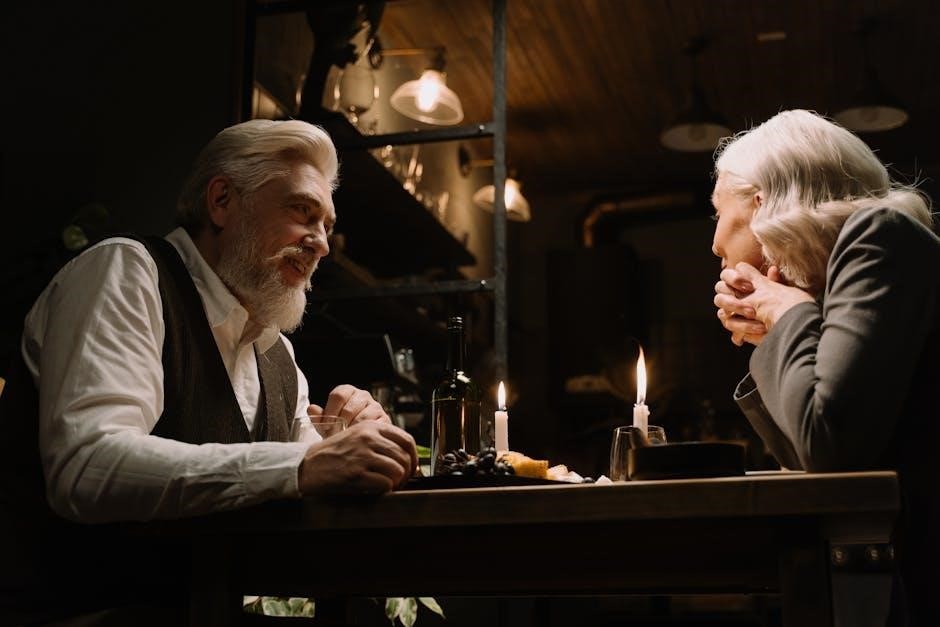
The grand opening of Sonora Lodge No. 887‚ held on Saturday‚ February 22‚ 2025‚ in the historic Sonora Masonic Hall‚ marks a new chapter in California Freemasonry. This event signifies a renewed interest in the fraternity and the continued importance of Masonic traditions. Documentation of the event‚ including programs and announcements‚ are likely to be preserved and circulated in digital formats‚ such as PDF files.
The historic Sonora Masonic Hall itself holds a wealth of history‚ and records pertaining to its construction and previous Lodges that met within its walls could be accessible as digitized PDF documents. These records may include details about the Bibles used in ceremonies held at the Hall over the years.
The Lodge’s commitment to preserving its history and traditions is likely to extend to the careful documentation of its grand opening.
Photographs‚ speeches‚ and membership lists from the event could be compiled into a commemorative PDF‚ providing a valuable resource for future members and researchers.
The availability of such digital resources enhances the accessibility of Masonic history and fosters a deeper understanding of the fraternity’s values and practices.
Freemasonry in Mexico: Nuevo León and Lodge Derechos Humanos 83
The Grand Lodge of the State of Nuevo León‚ located in Monterrey‚ Mexico‚ represents a vibrant center of Masonic activity. Lodge Derechos Humanos 83‚ working on Tuesdays at 8:00 PM CDT‚ exemplifies the fraternity’s presence and dedication to its principles within the region. Records of Lodge proceedings‚ including ritual work and membership details‚ are often meticulously maintained.
It is highly probable that Lodge Derechos Humanos 83‚ like many others‚ maintains digital archives of important documents‚ potentially including PDF versions of their Lodge bylaws‚ meeting minutes‚ and ceremonial scripts. These digital records ensure preservation and ease of access for authorized members.
The Bibles used within Lodge Derechos Humanos 83 for installations and ceremonies would be considered the Volume of the Sacred Law‚ and documentation regarding their acquisition or any specific markings could be found within these digital archives‚ perhaps as scanned images saved as PDF files;
Furthermore‚ any presentations or educational materials used by the Lodge relating to Biblical interpretation within a Masonic context may also exist in PDF format‚ furthering the accessibility of Masonic knowledge.
Online Forums and Communities for Freemasonry Discussion
My Freemasonry‚ a prominent online forum‚ serves as a hub for Freemasons and those interested in the fraternity to connect and exchange information. Registered members gain access to discussion boards where they can post topics‚ share insights‚ and engage in private messaging. This digital space frequently hosts conversations regarding Masonic symbolism‚ history‚ and ritual.
Discussions surrounding the Volume of the Sacred Law‚ including specific editions and their relevance to Masonic practice‚ are common. Members often share links to online resources‚ including PDF scans of Masonic Bibles or related texts. These shared PDF documents can range from historical editions to modern interpretations.
The forum also provides a platform for identifying and authenticating Masonic Bibles‚ with members assisting each other in determining the legitimacy of PDF copies or physical volumes. Questions regarding ritualistic markings and annotations within Masonic Bibles are frequently posed‚ fostering collaborative learning.
Furthermore‚ members often discuss the legality and copyright implications of distributing PDF versions of copyrighted Masonic texts‚ ensuring responsible sharing of information.