
india learning arabic guide pdf
- Published
- in PDF
India’s growing engagement with the Arab world fuels a rising interest in Arabic; a comprehensive guide, potentially in PDF format, is increasingly sought after by students.
The Growing Interest in Arabic Language
A surge in interest towards the Arabic language within India is demonstrably increasing, driven by multifaceted factors. Historically strong trade ties with the Middle East, coupled with a significant Indian diaspora residing in Gulf nations, contribute substantially. Furthermore, the growing recognition of Arabic’s cultural and religious significance – particularly within the Muslim community – fuels demand for learning resources.

This heightened interest is reflected in the increasing searches for comprehensive learning materials, including a readily accessible “India learning Arabic guide PDF”. Government initiatives, like those from the Ministry of Education, alongside programs under NSDC and Skill India, are also playing a role in promoting Arabic language acquisition. The availability of online platforms and offline institutes further caters to this expanding learner base.
Why Learn Arabic in India? (Opportunities & Relevance)
Learning Arabic in India unlocks diverse opportunities. The demand for Arabic-skilled professionals is rising across sectors like translation, interpretation, tourism, and importantly, within the burgeoning Gulf job market for Indian workers. A solid grasp of Arabic enhances career prospects and earning potential.
Culturally, Arabic provides access to a rich literary and historical heritage. For students of Islamic studies, proficiency is essential. The search for a practical “India learning Arabic guide PDF” indicates a desire to capitalize on these benefits. Government programs and Skill India initiatives recognize this relevance, aiming to equip individuals with marketable language skills, fostering both economic growth and intercultural understanding.

Resources for Learning Arabic in India
Numerous resources exist, from government programs and online platforms like Fluent Arabic and Rocket Arabic, to offline institutes; a helpful “India learning Arabic guide PDF” compiles these.
Government Initiatives & Programs
The Indian government recognizes the importance of Arabic language proficiency, particularly concerning cultural and economic ties with the Middle East. The Ministry of Education’s Department of Higher Education currently supports Arabic language studies in 426 institutions across the country, demonstrating a commitment to fostering linguistic diversity.
Furthermore, initiatives under the National Skill Development Corporation (NSDC) and Skill India aim to integrate Arabic language training into vocational programs, enhancing employability. Resources like the Skill India Digital Hub (SIDH) potentially host relevant course materials. A comprehensive “India learning Arabic guide PDF” could consolidate information on these government-backed programs, detailing eligibility criteria, course structures, and available financial aid, making it easier for aspiring learners to navigate the landscape of official support.
Ministry of Education Programs for Arabic
The Ministry of Education, through its Department of Higher Education, actively promotes Arabic language learning within Indian universities and colleges. Currently, support extends to 426 institutions offering Arabic courses, signifying a substantial governmental investment. These programs typically encompass Bachelor’s and Master’s degrees, alongside certificate and diploma options.
A detailed “India learning Arabic guide PDF” would greatly benefit prospective students by outlining specific program details – curriculum structures, admission requirements, and affiliated institutions. It could also clarify any scholarship opportunities or financial assistance available through the Ministry. Centralized information regarding these initiatives, readily accessible in a PDF format, would streamline the application process and encourage wider participation in Arabic language studies.
NSDC and Skill India Initiatives related to Arabic
The National Skill Development Corporation (NSDC) and the Skill India Mission recognize the growing demand for Arabic-proficient professionals. Initiatives focus on vocational training programs designed to equip individuals with practical Arabic language skills for specific industries – tourism, translation, and international business, for example. These programs are often integrated within the Skill India Digital Hub (SIDH) platform.
A comprehensive “India learning Arabic guide PDF” should detail these NSDC-backed courses, including eligibility criteria, training locations, and potential career pathways. Information on WorldSkills and IndiaSkills competitions related to language proficiency would also be valuable. The guide could highlight how these skill-based programs complement academic Arabic studies, offering a more diverse range of learning opportunities and enhancing employability.

Online Arabic Learning Platforms
Numerous online platforms cater to Arabic learners in India, offering flexibility and accessibility. Fluent Arabic stands out with its personalized tutoring and high-quality content. Rocket Arabic focuses on dialectal Arabic, providing in-depth lessons and practical conversational skills. Learn Arabic Online boasts accreditation from the Islamic University, ensuring a structured and recognized curriculum.
An “India learning Arabic guide PDF” should comprehensively review these platforms, comparing features, pricing, and learning styles. It should also include user reviews and ratings. The guide could detail which platforms best suit different learning goals – Modern Standard Arabic versus specific dialects – and highlight free resources alongside paid subscriptions. A section on trial periods and money-back guarantees would also be beneficial for Indian learners.
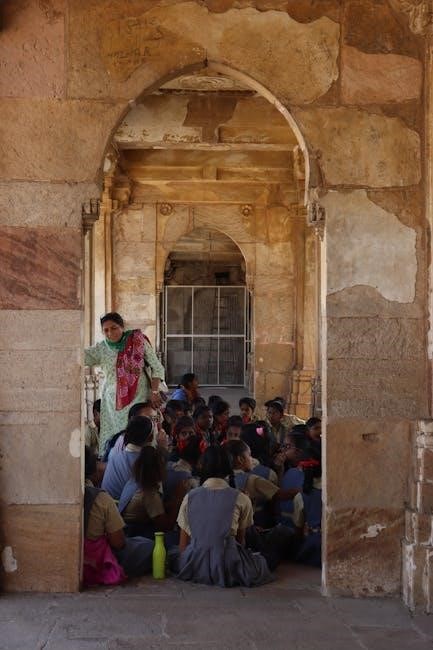
Fluent Arabic ⎻ Features and Benefits
Fluent Arabic distinguishes itself through its commitment to providing top-notch learning resources and personalized instruction. The platform connects learners with highly skilled, handpicked tutors for one-on-one sessions, catering to individual needs and learning paces. This individualized approach is particularly valuable for Indian learners navigating the complexities of Arabic grammar and pronunciation.
An “India learning Arabic guide PDF” should emphasize Fluent Arabic’s strengths in customized learning paths. It should detail the platform’s content quality and tutor qualifications. The guide could also explore whether Fluent Arabic offers specific resources tailored to Indian learners’ common challenges. A comparison of its pricing structure with other platforms, and a review of available learning materials, would be crucial for prospective students in India.
Rocket Arabic ─ Dialect Focus
Rocket Arabic carves a niche for itself by concentrating on practical, conversational Arabic, with a strong emphasis on dialectal variations. Its in-depth lessons and detailed explanations aim to equip learners with the ability to understand and participate in real-world conversations. This focus is beneficial for Indian learners intending to engage with specific Arabic-speaking communities or for professional purposes.
An “India learning Arabic guide PDF” should highlight Rocket Arabic’s dialectal specialization; It should clarify which dialects are covered and assess their relevance to the Indian context. The guide could also analyze whether the platform’s approach to dialect learning is suitable for beginners. A comparison of Rocket Arabic’s dialect coverage with other platforms, alongside a review of its interactive exercises, would be valuable for Indian students.
Learn Arabic Online ─ Islamic University Accreditation
Learn Arabic Online distinguishes itself through its accreditation from the Islamic University, lending credibility to its curriculum and teaching methodologies. This accreditation assures learners of a recognized standard of Arabic language instruction, a significant factor for those pursuing academic or religious studies. For Indian students, this validation can be particularly important when seeking to utilize their Arabic proficiency for further education or professional opportunities.

An “India learning Arabic guide PDF” should prominently feature Learn Arabic Online’s accreditation. It should detail the benefits of studying with an Islamic University-approved program, and how this translates to recognized qualifications. The guide could also explore the curriculum’s alignment with Indian educational needs and compare it to other online platforms, assessing the value of this accreditation for Indian learners.
Offline Arabic Learning Centers in India
Despite the rise of online platforms, numerous offline Arabic learning centers cater to Indian students. Hyderabad stands out as a major hub, boasting established institutes specializing in Arabic language and Islamic studies. These centers often provide immersive learning environments, fostering direct interaction with instructors and fellow learners – a benefit some students prefer.
An “India learning Arabic guide PDF” should dedicate a section to these offline options. It should list prominent institutes in Hyderabad and other major cities, detailing their course offerings, fee structures, and teaching methodologies. The guide could also include student testimonials and location maps; Comparing the advantages of offline versus online learning, and providing contact information for these centers, would be invaluable for prospective students seeking a traditional classroom experience.
Arabic Language Institutes in Hyderabad
Hyderabad is a significant center for Arabic learning in India, offering a diverse range of institutes. Online Arabic Classes is a trusted institute providing courses in Arabic, Quran, Hifz, and Deeniyat. A comprehensive “India learning Arabic guide PDF” must feature detailed profiles of these institutions.
The guide should include information on course levels (beginner to advanced), teaching approaches (classical vs. modern standard Arabic), and available certifications. It should also cover aspects like class schedules, tuition fees, and faculty qualifications. Student reviews and success stories would add valuable insights. Furthermore, the PDF should map these institutes geographically within Hyderabad, aiding learners in selecting a conveniently located option based on their individual needs and learning preferences.
Other Major Cities Offering Arabic Classes
Beyond Hyderabad, several Indian cities witness growing demand for Arabic language courses. A detailed “India learning Arabic guide PDF” should extend its coverage to these locations. While specific institute details are currently limited in the provided context, the guide should acknowledge the presence of learning centers in cities like Delhi, Mumbai, Kolkata, and Chennai.
The PDF should outline potential resources for finding classes in these areas – university language departments, cultural centers, and private language schools. It should also include links to relevant online directories and forums where learners can connect and share information. Future editions of the guide could benefit from incorporating detailed profiles of institutes in these cities, mirroring the coverage provided for Hyderabad.

Arabic Learning Materials & Tools
A comprehensive “India learning Arabic guide PDF” must detail essential textbooks, digital apps, and websites, alongside emerging AI-powered tools for effective language acquisition.
Arabic Language Textbooks & Workbooks
A robust “India learning Arabic guide PDF” should meticulously catalog recommended textbooks and workbooks catering to diverse learning levels. Beginners often benefit from titles focusing on foundational grammar and vocabulary, like “Alif Baa” and “Kullu Tamam.” Intermediate learners might explore texts emphasizing modern standard Arabic (MSA) usage, alongside workbooks for practical exercises.
Advanced students require specialized materials covering classical Arabic, literature, or specific dialects. The guide should also highlight resources tailored to Indian learners, potentially incorporating transliteration aids and culturally relevant examples. Inclusion of workbooks with answer keys is crucial for self-assessment. Furthermore, the PDF should advise on sourcing these materials – both domestically within India and through reliable international vendors – ensuring accessibility for all aspiring Arabic language learners.
Digital Resources: Apps & Websites
An effective “India learning Arabic guide PDF” must dedicate a section to invaluable digital tools. Apps like Duolingo, Memrise, and Drops offer gamified vocabulary building, while platforms like Madinah Arabic provide structured lessons. Websites such as Loecsen and ArabicPod101 deliver audio-visual learning experiences.
The guide should also detail AI-powered dictionaries and translation tools, acknowledging the UAE’s advancements in this area. It’s vital to assess resource compatibility with Indian internet access and device capabilities. Recommendations should include both free and premium options, outlining their respective benefits. A curated list, regularly updated, will empower Indian learners to leverage technology for efficient and engaging Arabic language acquisition, supplementing traditional learning methods.
Utilizing AI for Arabic Learning
A comprehensive “India learning Arabic guide PDF” should highlight the transformative potential of Artificial Intelligence. The UAE’s pioneering work – including the 20-million-word GPT-powered Historical Dictionary and AI-driven Arabic-English dictionaries like Falcon – demonstrates AI’s capacity to enhance language learning.
The guide should explore AI-powered tools for pronunciation practice, grammar correction, and personalized learning paths. It must also address accessibility for Indian learners, considering data costs and device limitations. Discussing AI’s role in creating adaptive learning experiences, tailored to individual needs, is crucial. Ethical considerations and the importance of human interaction alongside AI should also be included, ensuring a balanced approach to Arabic language acquisition.
UAE’s AI Initiatives in Arabic Language Preservation
An “India learning Arabic guide PDF” should detail the UAE’s ambitious AI projects aimed at preserving and promoting the Arabic language. These initiatives, serving as potential models for India, include the development of a massive, 20-million-word GPT-powered Historical Dictionary.
The guide should explain how the UAE is leveraging AI to create advanced Arabic-English dictionaries, like Falcon, enhancing accessibility and understanding. Discussing the implications for Indian learners – potentially through collaborative projects or adaptation of these technologies – is vital. Highlighting the UAE’s commitment to future-proofing Arabic through AI can inspire similar efforts within India’s educational framework, fostering a deeper appreciation for linguistic preservation.

AI-Powered Arabic Dictionaries & Tools
An “India learning Arabic guide PDF” must showcase the transformative impact of AI-powered dictionaries and tools on Arabic language acquisition. The guide should detail resources like the UAE’s AI-driven Arabic-English dictionary, emphasizing features such as nuanced translations and contextual understanding.
It should also explore available AI-powered apps for vocabulary building, grammar checking, and pronunciation practice, beneficial for Indian learners. Discussing how these tools can personalize the learning experience, adapting to individual needs and progress, is crucial. The guide should encourage learners to utilize these technologies alongside traditional methods, maximizing their learning potential and bridging the gap in resource availability.

Challenges and Solutions for Indian Learners
An “India learning Arabic guide PDF” should address common difficulties – script, pronunciation – and offer strategies, including utilizing AI tools for effective learning.
Common Difficulties Faced by Indian Learners
Indian learners embarking on Arabic studies often encounter unique hurdles. A comprehensive “India learning Arabic guide PDF” must acknowledge these. The Arabic script, fundamentally different from Devanagari, presents an initial challenge, requiring dedicated practice for recognition and writing. Pronunciation poses another significant difficulty; sounds absent in Indian languages, like emphatic consonants and guttural sounds, demand focused attention and mimicry.
Grammatical structures also differ substantially, with verb-subject-object order and gendered verbs proving complex. Cultural nuances embedded within the language can also be misinterpreted without proper context. Furthermore, a lack of readily available, India-specific learning resources tailored to common Indian language backgrounds exacerbates these issues. A well-structured guide should directly address these points, offering targeted exercises and explanations.
Strategies for Effective Arabic Learning
An effective “India learning Arabic guide PDF” should emphasize immersion and consistent practice. Prioritize mastering the Arabic alphabet through dedicated drills and handwriting exercises. Utilize flashcards and spaced repetition systems for vocabulary acquisition, focusing on frequently used words. Actively listen to Arabic audio – podcasts, music, and news – to improve comprehension and pronunciation.
Seek opportunities for conversation practice, even if initially with language partners online. Break down complex grammar rules into smaller, manageable chunks. Don’t be afraid to make mistakes; they are crucial for learning. Leverage digital resources like AI-powered dictionaries and language learning apps. Finally, connect Arabic learning to personal interests to maintain motivation and make the process more enjoyable.

Future Trends in Arabic Language Learning in India
Technology, including AI and accessible PDFs like an “India learning Arabic guide”, will personalize learning, meeting the increasing demand for Arabic speakers.
The Role of Technology in Arabic Education
Technology is poised to revolutionize Arabic learning in India, moving beyond traditional methods. The emergence of AI-powered tools, mirroring the UAE’s initiatives like the Historical Dictionary and AI-driven dictionaries, offers innovative learning experiences. Digital resources, including comprehensive “India learning Arabic guide” PDFs, provide accessible and structured learning paths for students across the country.
Online platforms like Fluent Arabic, Rocket Arabic, and Learn Arabic Online, with Islamic University accreditation, are becoming increasingly popular. These platforms, coupled with AI-assisted learning, can personalize education, catering to individual learning styles and paces. Skill India Digital Hub (SIDH) and NSDC initiatives further support this technological integration, aiming to equip learners with relevant skills for a globalized world. The future of Arabic education in India is undeniably digital.
Increasing Demand for Arabic Speakers in India
The demand for Arabic speakers in India is steadily rising, driven by strengthening economic and diplomatic ties with the Middle East. Opportunities span diverse sectors, including translation, interpretation, tourism, and international business. A readily available “India learning Arabic guide” PDF can significantly aid individuals seeking to capitalize on these opportunities.
Government initiatives, such as those under the Ministry of Education and NSDC, recognize this growing need and are promoting Arabic language programs. Furthermore, the increasing number of students seeking resources to learn Arabic highlights a proactive approach to career advancement. Proficiency in Arabic is becoming a valuable asset, opening doors to a wider range of professional possibilities within India and abroad.